Understanding Network Devices
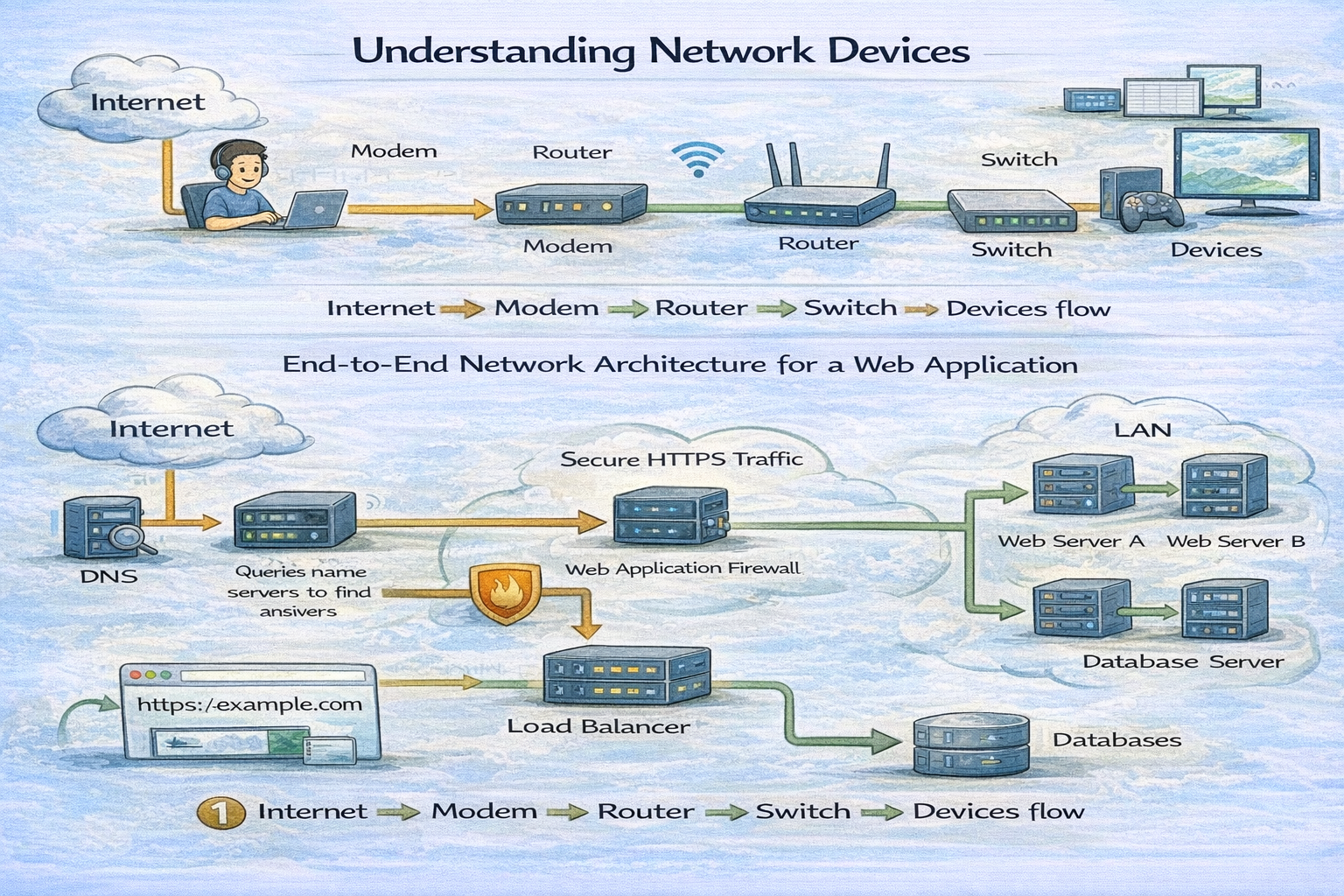
When we talk about the internet, what comes to your mind? Networking devices, right? So, in this blog, we will understand networking devices with real-world analogies.
Let's start by looking at how the internet reaches a home or office.
                                          Internet
                                             ↓
                                           Modem
                                             ↓
                                           Router
                                             ↓
                                           Switch
                                             ↓
                             Your Devices (Laptop, Phone, Server)
Each device has one clear responsibility. Some common network devices are:
MODEM
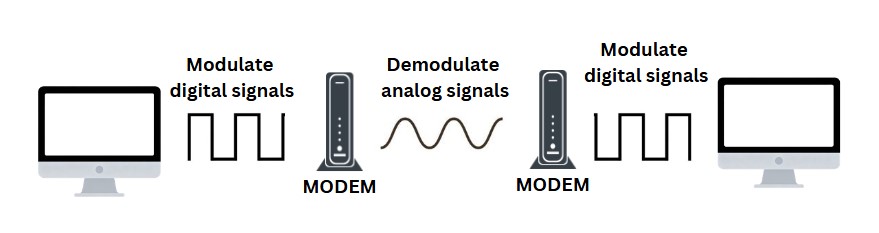
Modem stands for Modulator-Demodulator.
It converts signals from your ISP into digital data.
It connects your private network to the public internet.
Analogy: Modem = Translator
A modem acts like a language translator between your device and the ISP.
ROUTER
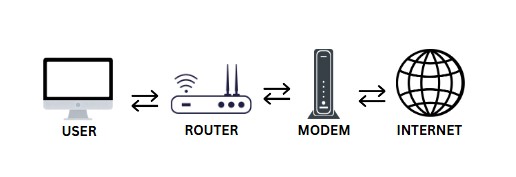
It manages traffic between different networks.
It forwards data packets to their intended Ip address (specific device).
It also assign local IP addresses to your devices via DHCP.
It sits between modem and your device.
Analogy: Router = Traffic Police
A router decides where packet should go.
SWITCH vs HUB
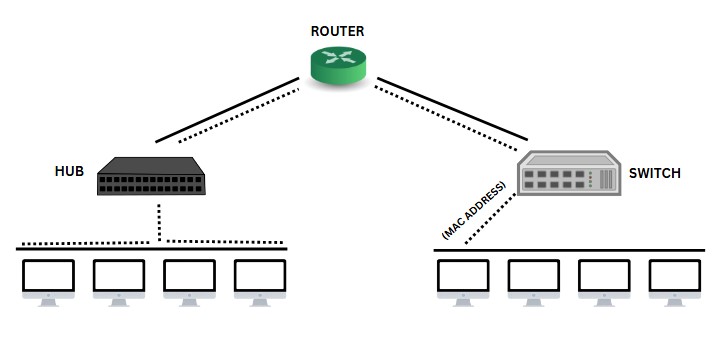
HUB ( Old & Inefficient)
It sends data to all devices.
It has no intelligence.
It may cause collision.
Analogy: Hub = The Broadcaster
SWITCH (Modern & Smart)
It sends data only to target devices.
It uses MAC address table.
Faster, safer, efficient.
Analogy: Switch = The Post Office
FIREWALL
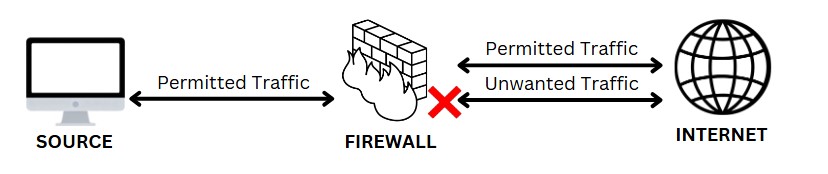
It filters incoming & outgoing traffic based on rules.
It blocks unauthorized access.
It protects internal systems.
Security lives here.
Analogy: Firewall = Security gate
LOAD BALANCER
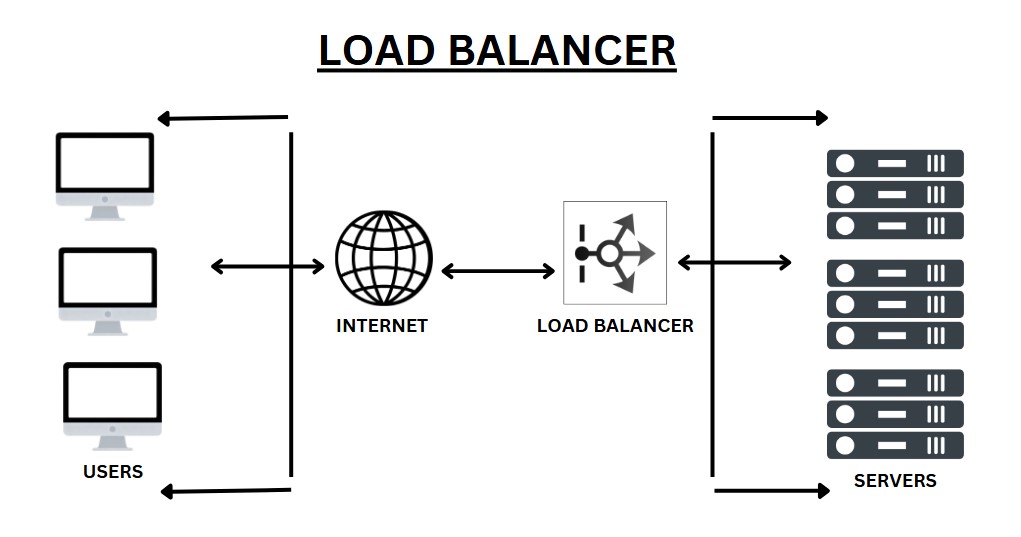
It distributes traffic across multiple servers.
It prevents server overload.
It improves reliability.
It enables horizontal scaling when it's required.
Analogy: Load Balancer = Toll Booth
End-to-End Network Architecture for a Web Application
Let’s combine everything.
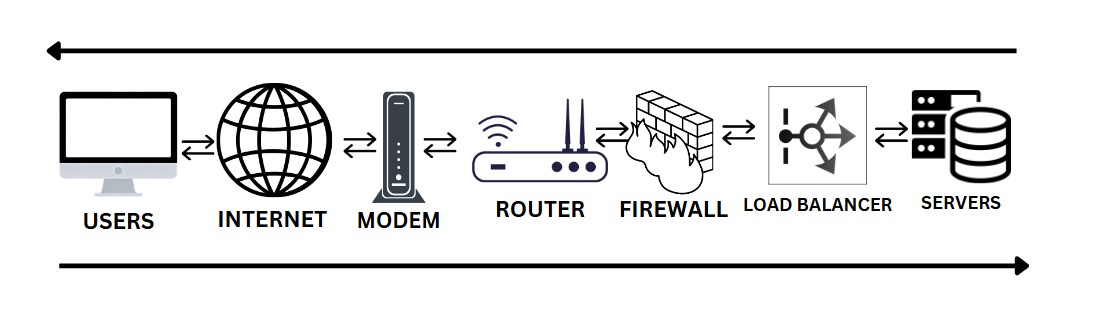
In closing
I hope that you’ve found this blog on “Understanding Network Devices” helpful...!
That's all for today! 😁 You reached the end of the article 😍.
Want more..?
I write articles on princekumar-engineer.hashnode.dev, and also post development-related content on the following platforms: